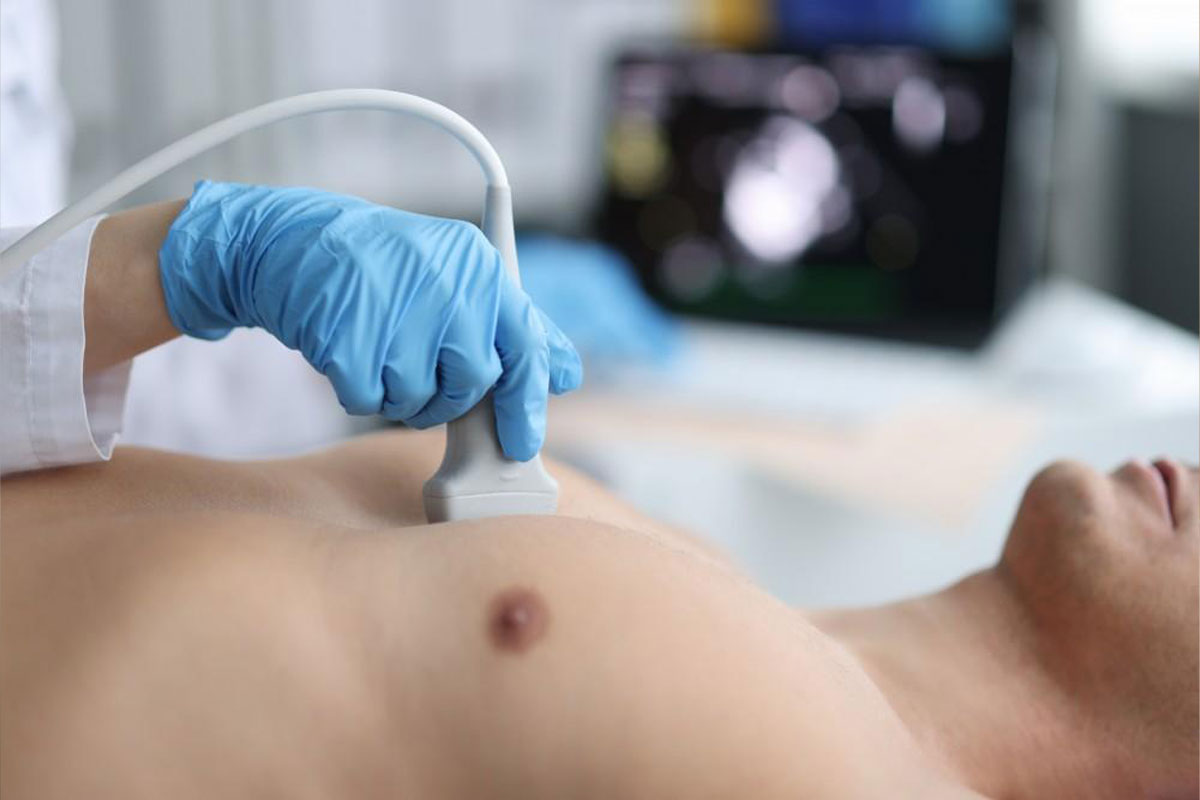
Echocardiograms
An Echocardiogram is a simple and painless test that uses sound waves (ultrasound) to take pictures of your heart. It helps your doctor see the size, shape, and movement of your heart chambers and valves.
1. Resting Echocardiogram (Echo)
You have been scheduled for a resting echocardiogram. This is a simple and painless test that uses sound waves (ultrasound) to take pictures of your heart. It helps your doctor see the size, shape, and movement of your heart chambers and valves.
Please follow these instructions to help ensure the best quality images.
Before Your Test
- Eating and Drinking: You may eat and drink as you normally would. There are no food or drink restrictions for this test.
- Medications: Take all of your usual medications at their normal times, unless your doctor has told you otherwise.
- Clothing: Wear a comfortable, two-piece outfit. You will be asked to remove your clothes from the waist up and put on a hospital gown.
- What to Avoid: Please do not apply any lotions, oils, or powders to your chest on the day of the test, as they can interfere with the ultrasound images.
- Arrival: Please arrive 15 minutes before your scheduled appointment time to check in.
During Your Test
- A trained sonographer or doctor will perform the test.
- You will lie on your left side on an exam table.
- The sonographer will place small, sticky patches called electrodes on your chest to monitor your heartbeat.
- They will then apply a warm gel to your chest. This gel helps the sound waves travel and is completely harmless.
- The sonographer will gently press a small device called a transducer against your skin, moving it to different areas of your chest to get various views of your heart.
- You may be asked to breathe slowly or hold your breath briefly at times to get a clearer picture.
- The test is completely painless. You might feel a slight coolness from the gel or a light pressure from the transducer, but it should not be uncomfortable.
- You do not need to do any physical exercise for this test. You will be resting quietly the entire time.
After Your Test
- You can get dressed immediately after the test.
- The gel will be wiped off your chest. It is water-soluble and will not stain your clothes.
- You may return to all your normal daily activities right away.
- A cardiologist (heart doctor) will review your images and send a report to your regular doctor, who will then discuss the results with you.
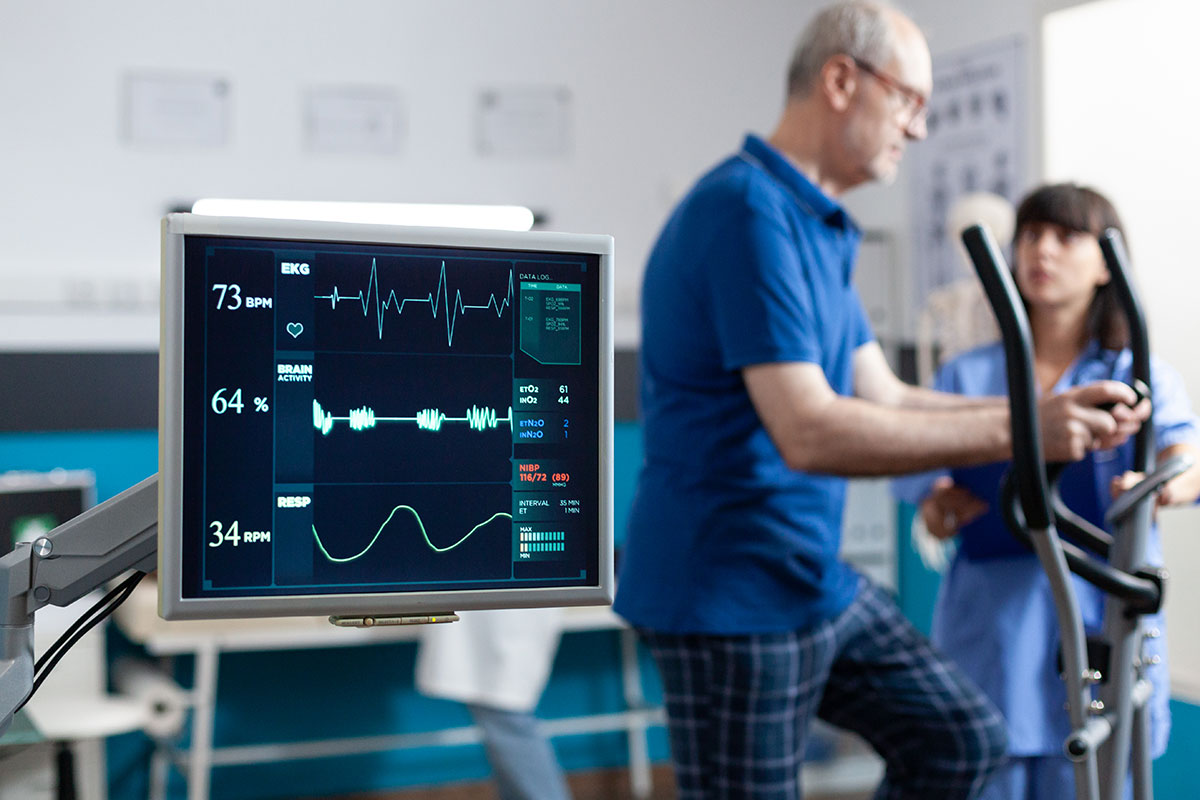
2. Stress Echocardiogram (Stress Echo)
A stress echocardiogram is a test that checks how well your heart works when it is under stress. It combines an ultrasound of the heart (echocardiogram) with exercise (usually walking on a treadmill) or medication that makes your heart beat faster. This helps your doctor see if your heart gets enough blood flow when it is working hard.
Before Your Test
Clothing: Wear comfortable clothes and walking shoes (sneakers). You will be exercising, so avoid dresses, skirts, or sandals.
Food: Do not eat a heavy meal for 2 to 4 hours before your test. A light snack is okay. You may drink water.
Medications: Important: Ask your doctor if you should take your regular medicines on the day of the test. Some heart medicines (like beta-blockers) may need to be held back.
- If you use an inhaler for breathing, bring it with you.
- If you have diabetes, ask for specific instructions about insulin or eating.
Skin: Do not put lotion, oil, or powder on your chest on the day of the test. This helps the ultrasound stickers stay on.
During Your Test
- Resting Pictures: First, you will lie on a bed. A technician will place small sticky patches (electrodes) on your chest to monitor your heart. They will use a wand to take ultrasound pictures of your heart while you are resting.
- Exercise: You will walk on a treadmill. The speed and incline will get harder slowly, like walking up a hill.
Note: If you cannot walk on a treadmill, you may be given medicine through an IV to make your heart beat faster instead. - Post-Exercise Pictures: As soon as you stop exercising, you will lie down again quickly to take more ultrasound pictures.
- Safety: A doctor or nurse will watch you the whole time. Tell them immediately if you feel:
- Chest pain or pressure
- Severe shortness of breath
- Dizziness or faintness
- Leg pain that stops you from walking
After Your Test
Activity: You can usually go back to your normal activities right away.
Results: The doctor needs time to review the images. You will usually get your results in a few days, either by phone or at a follow-up appointment.
Showering: You may shower after the test. The sticky patches may leave a little residue, which will wash off.