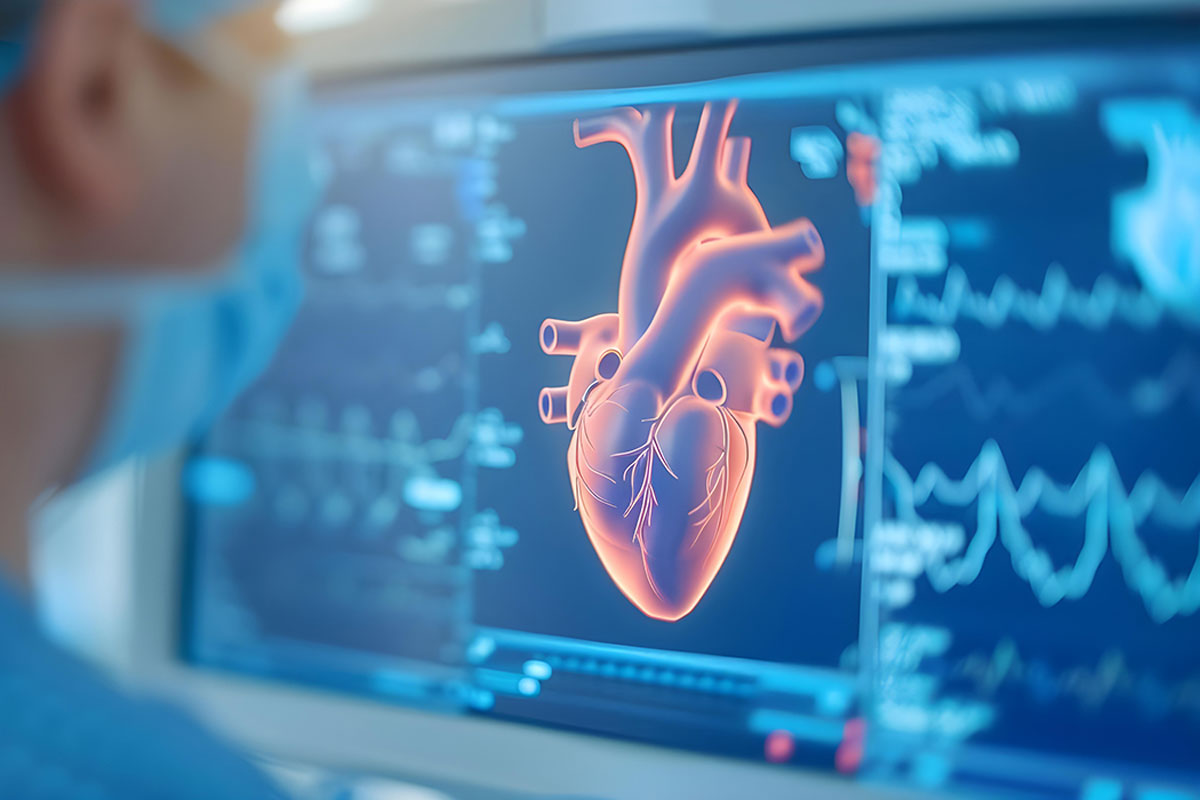
Think of it like this: Your heart is a pump (the mechanical engine), but it’s controlled by a highly specialized electrical wiring system. This system generates impulses that tell the heart muscle when to contract and pump blood.
In a normal, healthy heart, this electrical system works perfectly, creating a steady, rhythmic beat: 60 to 100 times a minute when you’re at rest.
A heart rhythm problem, also known as an arrhythmia (ah-RITH-mee-uh), is any disturbance in this electrical system. It means your heart is beating too fast, too slow, or in an irregular, chaotic pattern.
Important: An arrhythmia is a problem with the electrical system, not necessarily a problem with the heart muscle itself or the “plumbing” (the arteries), though they can be related.
Part 1: The Heart’s Electrical System 101
Let’s look at the key components of this system. It’s simpler than you might think.
- The Natural Pacemaker (The Sinoatrial or SA Node): This is a small cluster of cells in the upper right chamber of the heart (the right atrium). It’s the heart’s master controller. It generates the electrical impulse that starts each heartbeat. Think of it as the spark plug that fires to get the engine going.
- The Wiring (The Conduction Pathways): From the SA node, the electrical impulse travels through the heart muscle along specific pathways, like electrical wires.
- The Junction Box (The Atrioventricular or AV Node): The impulse travels down to a second cluster of cells located between the upper and lower chambers. This is the AV node. It acts as a critical gateway or junction box. It slows the electrical signal down just a tiny bit. This crucial delay allows the upper chambers (atria) to finish contracting and completely fill the lower chambers (ventricles) with blood before the ventricles contract.
- The Final Wiring (The Purkinje Fibers): After the brief pause at the AV node, the signal is sent rapidly down into the walls of the lower chambers (ventricles) through a network of fibers called the Purkinje fibers. This causes the ventricles to contract in a coordinated, powerful squeeze, pumping blood out to the lungs and the rest of the body.
This entire process happens in a split second, creating a perfect, coordinated “lub-dub” heartbeat. An arrhythmia happens when any part of this system malfunctions.
Part 2: The Three Main Types of Electrical Trouble
Arrhythmias are generally grouped into three categories based on what the heart’s rhythm is doing.
Type 1: Tachycardia (The Heart is Too Fast)
- What it is: A resting heart rate over 100 beats per minute.
- The Analogy: Imagine the spark plug is firing too rapidly, like a machine gun. The engine is revving too high.
- How it feels: You might feel a fluttering in your chest, a pounding heart, dizziness, or shortness of breath.
Common Examples:
- Supraventricular Tachycardia (SVT): A catch-all term for fast heart rhythms that start in the upper chambers (atria) or the AV node. They often begin and end suddenly. It’s like a short-circuit in the upper part of the heart’s wiring that causes a burst of speed.
- Atrial Fibrillation (AFib): This is the most common serious arrhythmia. Instead of a single, organized electrical impulse from the SA node, the atria experience chaotic, disorganized electrical signals. They quiver (fibrillate) instead of beating effectively. The AV node gets bombarded with hundreds of random signals, sending a fast, irregular rhythm down to the ventricles. Think of it as an “electrical storm” in the upper chambers.
- Ventricular Tachycardia (VT): A fast, potentially dangerous rhythm that starts in the lower chambers (ventricles). Because it starts in the ventricles, the pumping action is often poor. It can be a medical emergency.
Type 2: Bradycardia (The Heart is Too Slow)
- What it is: A resting heart rate under 60 beats per minute.
- The Analogy: The spark plug isn’t firing often enough. The engine is idling too slowly and might stall.
- How it feels: You might feel fatigued, weak, dizzy, or lightheaded. You could even faint because not enough blood is getting to your brain.
Common Examples:
- Sick Sinus Syndrome: The natural pacemaker (the SA node) isn’t working correctly. It may fire too slowly, or it may pause altogether.
- Heart Block: This is a problem with the “wiring” or the “junction box” (AV node). The electrical signal from the upper chambers is delayed or completely blocked from reaching the lower chambers. This can cause the ventricles to beat very slowly on their own, like a backup system kicking in.
Type 3: Premature Beats (The Heart has “Skips” or “Thuds”)
- What it is: Extra, early heartbeats that interrupt the normal rhythm. You usually feel this as a “flip-flop” in your chest, a skipped beat, or a forceful thud.
- The Analogy: The engine has a little hiccup or a misfire.
- How it feels: A brief sensation of a pause or a powerful thump.
Common Examples:
- Premature Atrial Contractions (PACs): An early, extra beat coming from the atria.
· Premature Ventricular Contractions (PVCs): An early, extra beat coming from the ventricles. - The Bottom Line: Almost everyone gets these from time to time, often triggered by caffeine, stress, or lack of sleep. In a healthy heart, they are usually harmless. If they become very frequent, they may need attention.
Part 3: What Causes the Electrical System to Malfunction?
Many things can disrupt the heart’s delicate electrical system:
- Heart Disease: This is a major cause. Coronary artery disease (which reduces blood flow) or damage from a prior heart attack can create scar tissue that interferes with electrical signals.
- High Blood Pressure: Can lead to thickening and stiffness of the heart muscle, which can alter electrical pathways.
- Electrolyte Imbalances: Your body’s minerals like potassium, sodium, calcium, and magnesium are essential for generating and conducting electricity. If levels are too high or too low, it can cause arrhythmias.
- Stress, Anxiety, or Strong Emotions: These can trigger the release of hormones that can speed up the heart or provoke extra beats.
- Stimulants: Caffeine, nicotine, alcohol, and some cold or allergy medications can trigger arrhythmias in susceptible people.
- Other Medical Conditions: Thyroid problems (especially an overactive thyroid) and sleep apnea are common causes.
- Genetics: Some arrhythmias, like Long QT syndrome, are inherited.