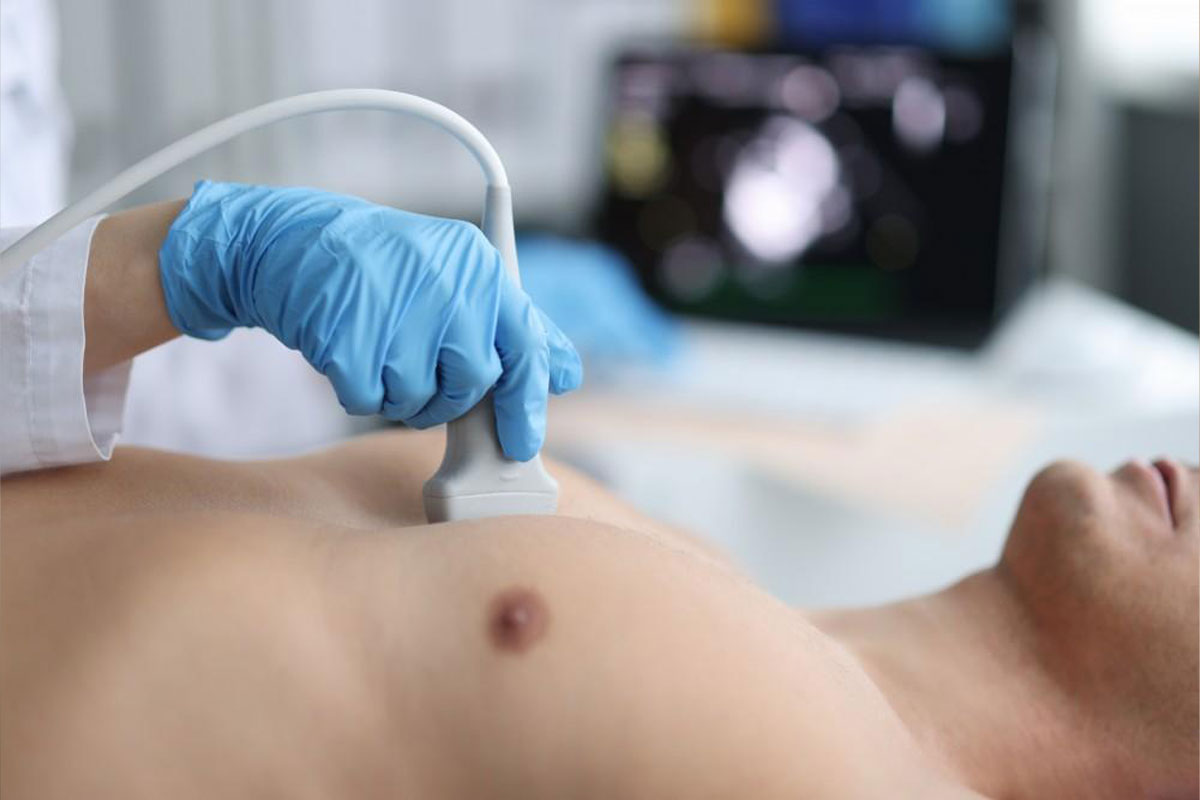
What heart related fainting looks like
Cardiac fainting (often called cardiac syncope) tends to occur abruptly, sometimes with only a few seconds of warning. People may feel light‑headed, notice their heart racing or slowing, or experience sudden weakness before collapsing. Recovery is usually quick once lying flat, but brief confusion can follow. Unlike fainting from heat or prolonged standing, heart‑related episodes can occur during activity, while sitting, or without any obvious trigger, and may be accompanied by chest discomfort, breathlessness, or palpitations.
How heart disease leads to fainting
Several heart conditions can interrupt the brain’s blood supply suddenly:
- Abnormal heart rhythms — Fast rhythms (such as ventricular tachycardia) or very slow rhythms (such as heart block) can sharply reduce the heart’s output, causing sudden loss of consciousness.
- Structural heart problems — Conditions like aortic stenosis or hypertrophic cardiomyopathy can restrict blood flow, especially during exertion.
- Heart failure — A weakened or stiff heart may struggle to maintain circulation during physical or emotional stress.
- Coronary artery disease — Reduced blood flow to the heart muscle can trigger dangerous rhythms or impair pumping strength.
In each case, the heart cannot deliver enough oxygen‑rich blood to the brain, leading to a brief blackout.
When fainting needs urgent attention
Fainting should be taken seriously when it:
- Happens during exercise or without warning.
- Is accompanied by chest pain, palpitations, breathlessness, or injury from the fall.
- Occurs in someone with known heart disease or a family history of sudden cardiac death.
- Recurs or is followed by prolonged confusion.
Sudden or severe episodes warrant emergency care, as early evaluation can identify treatable and potentially life‑saving conditions.